Energy bills focus the mind. Over the past fifteen years I have surveyed, repaired, and upgraded heating and hot water systems across Leicester and Leicestershire, from tight Victorian terraces near the Golden Mile to postwar semis in Wigston and new builds on the edge of Hamilton. The homes change, the aim does not. Use less energy, keep rooms comfortable, and stop throwing money up the flue or down the drain. Good outcomes come from practical design, tidy installation, and small decisions that add up.
This guide distils what works on the ground for Leicester plumbing and heating. It covers options from smart controls and radiator upgrades to high efficiency boilers and heat pumps, with pragmatic notes on cost, disruption, and realistic savings. It also touches on when to look for plumbers near me for routine work, and when to ring an emergency plumber near me because water is coming through a ceiling at 2am.
Where the energy goes in a typical Leicester home
Leicester’s housing stock skews towards older, brick built, gas heated properties. A common sight is a two bed terrace in Highfields with solid walls, modest loft insulation, and a combi boiler that has seen better days. In that setup, space heating is usually the largest slice of energy use, often 60 to 75 percent across a year. Domestic hot water follows at 15 to 25 percent. The rest goes to appliances and lighting.
Why this matters is simple. Improvements that reduce flow temperature to radiators, control when and where heat is delivered, and prevent system losses usually return more value than changing windows or switching light bulbs. The physics is forgiving if you aim for steady low temperature operation rather than sharp bursts of heat. That is true whether the heat source is a condensing gas boiler or an air source heat pump.
Boilers that actually condense, controls that actually control
Many Leicester homes already have condensing boilers, yet few run them so they condense most of the time. I still encounter boilers left at factory default with flow temperatures set around 75 or 80 C. At that level you get quick radiator response on a cold morning, but the flue gases stay hot and condensation is intermittent. Dropping the target flow temperature into the 50 to 60 C range for much of the heating season can cut gas use by 5 to 15 percent, sometimes more, because the heat exchanger harvests extra latent heat. The balance is comfort. If some rooms no longer heat as expected, you either trim the curve slightly up, fit larger radiators in those rooms, or both.
Modern boilers with good modulation and OpenTherm or load compensation controls do this dance well. An example. A Leicester family in Westcotes had a 10 year old combi locked at 80 C. We replaced it with a 24 kW boiler that modulated down to 3 kW, added a weather compensation sensor, and set room by room thermostatic radiator valves. Flow temperature floats between 45 and 60 C across most of the season, ramps up on rare frosty mornings, and the boiler spends long hours at low fire. Gas use fell 18 percent year on year with no loss of comfort. The boiler is quieter too, and cycling is minimal.
If you prefer a cylinder for higher hot water demand or future heat pump readiness, a system boiler with an unvented cylinder is a sensible path. Choose a cylinder with a large, efficient coil so it heats quickly at lower flow temperatures. G3 certification is mandatory for unvented installations. A system filter, correct pipe sizing, and good balancing matter as much as the shiny box on the wall.
The talk about hydrogen ready boilers deserves a level head. Most new gas boilers sold in the UK are marketed as hydrogen blend ready, meaning they can run on up to 20 percent hydrogen mixed into the gas grid. Full conversion to 100 percent hydrogen is not imminent for Leicester. Base decisions on current gas and electricity prices, your property’s heat loss, and insulation status, rather than distant promises.
Heating controls that save without fuss
You do not need an elaborate smart home to get real savings, but you do need controls that suit your household. I have seen homes with two thermostats fighting each other, wireless receivers hidden behind the fridge, and radiator valves stuck half open for years. The good news is that a tidy controls refresh is one of the lowest cost, highest return upgrades available.
Load compensation or weather compensation is the big win. Instead of crude on off at a fixed high temperature, the boiler learns the heat input needed to maintain setpoint and trims flow temperature dynamically. OpenTherm, used by many modern boilers and third party thermostats, is a reliable way to achieve this. Weather compensation uses an outdoor sensor and a heating curve. In Leicester’s mild shoulder months, it often runs radiators at 40 to 50 C with excellent efficiency.
Zoning needs judgment. Separate zones for sleeping and living spaces help in larger homes, but in typical two or three bed terraces or semis, well deployed thermostatic radiator valves plus a single compensated thermostat can deliver similar results with less complexity. App control is handy for irregular schedules. Geo fencing can work, provided you avoid rapid temperature swings that defeat condensing operation.
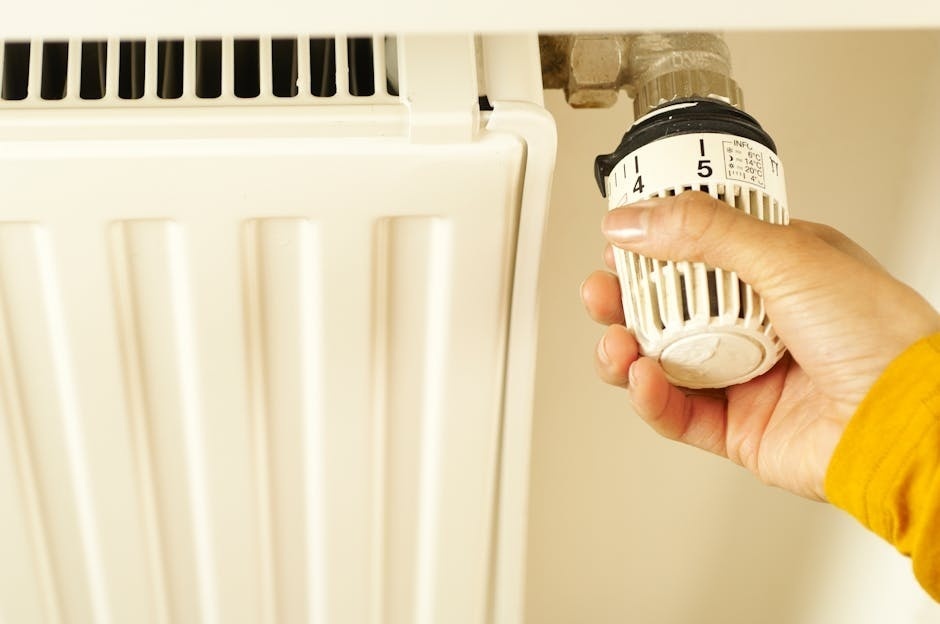
Finally, check the basics. A room thermostat mounted above a radiator or in direct sun will sabotage any strategy. Fit TRVs on all radiators except the reference room with the main thermostat. Keep a bypass path in the system to protect the pump, usually via an automatic bypass valve. Balance the system after any changes so every room gets flow proportional to its heat loss.
Radiators, emitters, and the case for lower temperatures
If you want to run a condensing boiler or a heat pump efficiently, radiators must deliver enough heat at lower water temperatures. Leicester’s older stock often has compact single panel radiators that were sized for 80 C flow and 60 C return. Drop to 50 C flow and they struggle.
Swapping to double panel, double convector radiators (often labeled Type 22) is commonly the quickest fix. The increase in surface area and convection fins lifts output without extending walls. In rooms with tight furniture layouts, a tall vertical radiator can give the required output where a wide double panel will not fit. Underfloor heating also shines in kitchens and extensions with large floor areas. Water based underfloor systems run at 30 to 45 C flow temperatures, which pairs beautifully with both condensing boilers and heat pumps. In retrofits, low build height systems can limit floor height increases to 15 to 20 mm, although response time is slower than radiators.
Do a room by room heat loss calculation. You do not need to be obsessively granular, but you do need to account for external wall area, window type, floor type, and air change rate. A two bed terrace front room in Belgrave with single glazed sash windows will have a different requirement than a similar sized room in a 1990s Thurmaston semi with cavity insulation and double glazing. Once you know the watts needed at design temperature, you can size radiators or underfloor circuits properly for a lower flow temperature target.
Domestic hot water without the drama
Showers and baths burn through energy if the cylinder is uninsulated, the combi runs too hot, or flow rates are excessive. I have two default checks on any visit. Cylinder insulation first. If the cylinder is old with a loose jacket, fit a high thickness jacket or consider replacement with a modern factory insulated unit. Standing losses on a tired cylinder can run £60 to £120 per year.
Second, store water at a safe level. For legionella control, 60 C at the top of the cylinder for at least one hour per day is standard practice. Use thermostatic mixing valves at outlets to deliver safe tap temperatures, typically 45 to 50 C, rather than storing cooler and risking bacteria growth. If you have a secondary hot water circulation loop, add time and temperature control so it does not run all day.
For combis, set hot water temperature just high enough for comfortable showering when mixed with cold, often around 45 to 50 C. Many households leave it at 60 C and then blend down at the shower, which wastes gas. Fit efficient shower heads that limit flow to about 8 litres per minute without feeling mean. If you have two showers running together most mornings, a combi may be the bottleneck, in which case a system boiler with a well sized unvented cylinder will give better comfort and spread the hot water load without cycling the boiler excessively.
Solar thermal still has its place on favourable roofs, though its economics have been challenged by falling photovoltaic costs. In Leicester, a solar diverter that pushes surplus PV electricity into an immersion heater during summer can cover a large fraction of hot water needs. For heat pump ready homes, specify a cylinder with a large coil or twin coils to support both the heat pump and solar preheating.
Pipework, pumps, and the hidden efficiency gains
An efficient plant room can be undermined by poor distribution. I often find 22 mm primaries reduced to 10 mm tails through a maze of tees, then a circulator set to constant high. The result is noise, overheated rooms near the boiler, cold radiators at the end of long runs, and frustrated occupants who crank up the thermostat to compensate.
Insulate all accessible primary pipework, especially in lofts, garages, and airing cupboards. Modern snap on insulation with thick wall reduces standing losses and improves hot water delivery times. Balance the radiators after any change to emitters or controls. Take the time to throttle lockshields and note positions. The return temperature to the boiler should be as low as the system allows while still heating every room, which helps condensing and reduces pump energy use.
Choose an efficient pump with proportional pressure mode rather than fixed speed. On many retrofits, dropping the pump one setting quieter lowers electricity consumption and reduces velocity noise without harming performance.
Fit a magnetic filter on the boiler return, and powerflush only when the system demands it. A powerflush is not a magic wand, but if radiators are cold at the bottom, vents spit black sludge, and TRV pins stick, a thorough clean, inhibitor, and new filter will bring output back to design. Budget a day for an average three bed house. After the flush, annual filter checks and inhibitor top ups keep corrosion in check, prolong boiler life, and protect efficiency.
Heat pumps in Leicester, done right
Heat pumps work in Leicester’s climate. The city rarely sees prolonged sub zero spells. The real questions are property heat loss, radiator surface area, space for an outdoor unit, cylinder capacity, electrical supply, and the household’s tolerance for steady state comfort rather than blast heat.
A well insulated semi with upgraded Type 22 radiators or underfloor circuits is a prime candidate for an air source heat pump. If you can heat the house at a 35 to 45 C flow temperature on a design day, seasonal performance factor near 3 is realistic. That means one unit of electricity produces roughly three units of heat over the year. Electricity prices relative to gas determine the running cost comparison. With current tariffs, many households see neutral to modest savings on bills, with carbon savings as the main win. With a time of use tariff, preheating during off peak periods and coasting helps further.
Leicester falls under permitted development for most domestic heat pump installs so long as noise and placement rules are met. Keep the outdoor unit clear of neighbour windows, consider line of sight, and plan condensate drainage so winter defrost water does not create an ice rink on a path. On small plots, wall brackets can work, but they transmit vibration if badly installed. A solid slab and anti vibration feet usually give better acoustics.
For funding, the Boiler Upgrade Scheme in England and Wales offers a grant toward installation of air source or ground source heat pumps, currently up to £7,500 for air source systems subject to eligibility and installer accreditation. You need an MCS certified installer and an EPC that does not flag outstanding loft or cavity insulation recommendations unless there are valid exemptions. A good Leicester installer will handle the BUS application, the heat loss report, and the DNO notification for electrical supply if required.
Hybrid systems, where a smaller heat pump handles most of the year and a gas boiler covers peaks and hot water, can be a pragmatic interim step in homes that cannot quite run on low temperature emitters yet. They reduce gas use significantly while postponing larger emitter changes to a planned refurbishment.
Renewables that play nicely with plumbing
Photovoltaics pair well with heat pumps and with cylinders. In a solar heavy household, a diverter such as an immersion controller can soak up midday surplus to heat water, reducing gas or heat pump cycles for domestic hot water. In summer, some homes go weeks without firing the boiler other than for legionella pasteurisation.
Solar thermal remains efficient at turning sunshine into hot water, but it has more moving parts than a PV and diverter approach. Where roof space is limited or already dedicated to PV, the diverter route is often simpler. In any case, cylinders should have an immersion port and adequate insulation. If planning for a heat pump later, specify the right coil area and cylinder volume now to avoid rework.
Rainwater harvesting is sometimes raised as a green add on. In Leicester’s typical plots, small scale systems used for garden taps and WCs save mains water but do little for energy savings. Prioritise insulation, heating controls, and emitters first, then consider water reuse for drought resilience rather than bill impact.
Maintenance and plumbing repairs that protect efficiency
Small faults compound. A weeping auto air vent that never quite seals, a bypass valve jammed open, a thermostat with a dying battery, or a toilet cistern that runs quietly into the pan will waste energy and water for months. Schedule regular servicing. For gas appliances, use a Gas Safe registered engineer. Unvented cylinders require a G3 qualified technician to test safety valves and expansion vessels. Heat pumps need annual checks of filters, glycol, condensate drainage, and control logic.
If you need fast attendance, emergency plumbers Leicester can respond to burst pipes, failed cylinders, or a boiler that is leaking. Search terms like plumber near me or emergency plumber near me help you find someone local who knows the area and can navigate permits or parking quickly. Some firms advertise Leicester plumber no callout charge during standard hours. That can be useful for small plumbing repairs like replacing a leaking isolation valve or swapping a stuck TRV, as long as you still get a written quote for labour and parts.
Real homes, real outcomes across the city
A terraced house in Clarendon Park was a textbook case of a boiler that never condensed. The owner complained of high bills and noisy pipes. We found a 30 kW combi serving nine small single panel radiators and a microbore layout. The outsize boiler short cycled, the return temperature stayed high, and rooms near the stairwell overheated. We fitted a modulating 18 kW combi with a magnetic filter, replaced three radiators with Type 22 units, rebalanced, and installed load compensation controls. The homeowner learned to nudge setpoints rather than blast the thermostat. Gas use fell 22 percent year over year. Comfort improved because heat was even and silent.
A 1930s semi in Oadby wanted to go all electric eventually but could not face a full radiator upgrade in one go. We installed an unvented cylinder ready for a heat pump, upgraded the two worst local plumbers near me performing radiators, and added a weather compensated boiler set to a 50 to 60 C flow range. A PV array with a diverter heated water for free most summer days. Two years later, with loft insulation topped up and extra radiators in place, a heat pump slotted in. The original cylinder coil had been specified for low temperature, so no extra cylinder work was needed.
A bungalow in Braunstone had poor hot water delivery times. Pipework ran through a long, uninsulated loft route. We corrected gradients, insulated the entire run, and added a return loop with a demand controlled secondary pump, triggered by a push button in the kitchen. The loop runs for six minutes only when needed, then stops. Hot water arrives quickly without a pump circulating all day, and seasonal gas use dipped because the loft losses were cut dramatically.
Money, disruption, and what to expect
Upgrades live in the real world of budgets, schedules, and family life. Swapping a thermostat and adding TRVs is a half day job with modest cost. Replacing a boiler is often a day, two if flue routes are tricky or the system needs a deep clean. A full radiator programme across a three bed 24 hour plumber terrace usually runs a day and a half with two engineers, with protection for floors and careful air purging to avoid sludge moving into the new boiler.
Costs vary with brands and site conditions, but these ballpark figures help plan:
- Smart thermostat with OpenTherm or load compensation, supplied and installed, £200 to £400. If you choose multi room smart TRVs, budget £60 to £90 per valve fitted, often staged. Radiator swap to a larger Type 22, including valves and basic pipe adjustments, £220 to £360 per radiator depending on size and finish. Combi to combi boiler replacement with system filter, flue, controls, and benchmark, £1,900 to £3,200 for mainstream brands. System upgrades or relocation add to this. System boiler and unvented cylinder package, installed with G3 sign off, £3,200 to £5,000 depending on cylinder size and pipework complexity. Air source heat pump with cylinder and full controls, £8,000 to £14,000 before Boiler Upgrade Scheme grant. After the grant, many installs land between £500 and £6,500 net to the homeowner, assuming radiators are already suitable. Powerflush with inhibitor and magnetic filter on an average three bed home, £450 to £750.
Savings depend on your starting point. A tuned condensing boiler and controls often trim 10 to 20 percent from gas use. Radiator upgrades that allow steady 50 C operation add another 5 to 10 percent. A heat pump, once set up right, can halve your carbon emissions compared with a G rated boiler, with running costs competitive if you exploit off peak tariffs and optimise flow temperatures.
Disruption is real. Draining systems, lifting boards for new pipes, threading flues through tight eaves, or setting an external heat pump unit near a fence all take planning. A neat installer will isolate dusty work, protect floors, and leave your home heating the same evening, with final balancing and control tweaks the next day.
A compact comparison of common measures
| Measure | Typical installed cost | Typical annual saving | Payback notes | |---------------------------------|------------------------|-----------------------|--------------------------------------------| | Weather/load compensation | £200 to £400 | 5 to 12 percent gas | Quick return, comfort gains, low disruption | | TRVs and balancing | £300 to £700 | 5 to 10 percent gas | Works best with room by room setpoints | | Radiator upsizing | £500 to £2,000 | Enables low temp run | Savings realised through lower flow temps | | Boiler replacement, condensing | £1,900 to £3,200 | 10 to 20 percent gas | Biggest gains when replacing old non condensing | | Cylinder insulation/upgrade | £150 to £1,200 | £60 to £150 | Cuts standing losses and improves hot water | | Magnetic filter + flush | £450 to £750 | Indirect, protects | Restores output, protects new boilers | | Air source heat pump | £8,000 to £14,000 pre grant | Varies with tariff | Grants available, carbon savings significant | | PV with immersion diverter | £800 to £1,500 add on | Summer hot water | Works best with existing PV |
Values are indicative for Leicester and nearby towns. Quotes should itemise materials, labour, warranties, and any remedial works like flue boxing or making good.
Choosing a Leicester installer with the right badges and the right attitude
Credentials are not the whole story, but they keep you safe and legal. Gas appliances need a Gas Safe registered engineer. Unvented cylinders require G3. Heat pumps and BUS funding require an MCS certified installer and, ideally, TrustMark registration. For electrical work, Part P sign off where relevant.
On the softer side, look for someone who starts with your home’s heat loss and usage pattern rather than pushing a single brand. Good local plumbers near me will ask how you live in the house, where cold spots are, what times you shower, and whether you plan building works. They will size radiators for lower temperatures and talk about control strategies plainly. A cheap plumber Leicester listing can be fine for small plumbing repairs, but for whole system upgrades, choose on design quality and references as much as on day rate. Written scope, clear exclusions, and a plan for commissioning matter more than glossy brochures.
If you need help fast, emergency plumbers Leicester should still protect efficiency where possible. Even under pressure, a good team will isolate thoughtfully, avoid needless part swapping, and leave the system set to a safe, efficient default. When searching plumber near me or emergency plumber near me, scan reviews for responsiveness and aftercare. The phrase Leicester plumber no callout charge can be attractive, but confirm what counts as a callout, what hours apply, and whether diagnostics time is billed.
Quick wins that cut waste before any big spend
- Turn down your boiler’s flow temperature for heating to the lowest value that keeps rooms warm, test around 50 to 60 C in autumn and adjust as frost arrives. Set hot water temperature only as high as needed for comfort, then use thermostatic mixing to keep taps safe. Bleed radiators that gurgle, then rebalance lockshields so every room warms at a similar rate, watching return temperatures. Insulate exposed primary pipework in lofts and cupboards. If you can see copper, it is likely losing heat you paid for. Check that your thermostat location makes sense. Move it off a cold hallway or sunny shelf to a representative living space.
Small changes like these often reveal where the real bottlenecks are. If a single room lags after balancing, that is the room to target for a radiator upgrade or a TRV replacement.
A pragmatic plan for Leicester homes
- Start with a light survey. Note loft insulation depth, window type, radiator sizes, boiler make and age, control type, and hot water setup. Identify the rooms that never quite feel right. Optimise controls. Fit a compensated thermostat, set sensible schedules, pair with TRVs, and balance. Live with this for a couple of weeks and watch comfort and consumption. Tackle emitters where needed. Upgrade radiators in undersized rooms, and consider underfloor heating in kitchens or extensions. Bring the system toward lower flow temperature operation. Decide on heat source timing. If your boiler is elderly or unreliable, replace it with a good modulating condensing unit set up for low temperature. If the envelope is ready and you want electrification, explore a heat pump with BUS support. Finish with protection and maintenance. Add a magnetic filter, refresh inhibitor, and schedule annual servicing. Keep an eye on pressure, odd noises, and little leaks before they turn into big ones.
This sequence avoids tearing the house apart twice, and it front loads low disruption savings. It also respects family rhythms. You can swap a thermostat and fit TRVs on a weekday morning, then plan a boiler swap or radiator day when it suits.
Edge cases and judgment calls
Every home throws up something unusual. High rise flats with communal boilers place different limits on what an individual flat can change. Large Edwardian houses in Stoneygate sometimes have original cast iron radiators that perform brilliantly at low temperatures once cleaned and balanced, so do not rush to scrap them. Solid floor terraces without easy pipe routes make underfloor heating less attractive unless you are renovating a kitchen anyway.
Some households value fast warm up after work more than marginal savings, so a mild increase in flow temperature on weekday evenings makes sense. Households with shift workers or elderly residents often prefer a steady background temperature and gentle night setback rather than deep setbacks that take ages to recover. These are not contradictions. They are examples of tailoring the physics to the people who live with it.
Water pressure can trip you up. Unvented cylinders and some combis want stable mains pressure and flow. Leicester’s mains is generally decent, but old lead service pipes and shared supplies can limit flow. In those cases, a break tank and pump or individual pressure reducing valves might be needed to prevent noisy pipes and uneven mixer taps.
Noise matters. Outdoor heat pump placement, indoor pump settings, and radiator air flow all contribute. A quiet system is often an efficient one, because throttled pumps, balanced circuits, and lower flow temperatures reduce turbulence and expand the comfort window.
The long view
Plumbing and heating upgrades are not a one time event. Think of them as a pathway. Get the distribution right so it can run at lower temperatures. Fit controls that speak clearly to the heat source. Protect the system from sludge and air. Make hot water safe, quick, and stingy on losses. When the time comes to change the boiler or step to a heat pump, the house is ready. You avoid frantic December decisions after a breakdown, and you spend money once, in the right order.
Leicester has a strong network of tradespeople who understand these nuances. When you search local plumbers near me, look for installers who talk about heat loss, emitter sizing, and control logic rather than only brand names. When you need urgent help, emergency plumbers Leicester can stabilise the situation and keep efficiency in mind. And when you do weigh quotes, the cheapest line item today might not be the cheapest path overall. A cheap plumber Leicester listing that skimps on balancing or filter installation can cost more in gas and repairs over a winter than the small saving up front.
The best systems I see years later are the ones with thoughtful design, honest commissioning notes left in the airing cupboard, and homeowners who learned two or three simple habits. Lower the flow temperature when you can. Bleed and balance each autumn. Keep filters clean and valves moving. Those habits, paired with the right hardware, turn Leicester plumbing and heating from an expense that surprises you into an asset that quietly delivers comfort for less.
Local Plumber Leicester – Plumbing & Heating Experts
Covering Leicester | Oadby | Wigston | Loughborough | Market Harborough
0116 216 9098
[email protected]
www.localplumberleicester.co.uk
Local Plumber Leicester – Subs Plumbing & Heating Ltd deliver expert boiler repair services across Leicester and Leicestershire. Our fully qualified, Gas Safe registered engineers specialise in diagnosing faults, repairing breakdowns, and restoring heating systems quickly and safely. We work with all major boiler brands and offer 24/7 emergency callouts with no hidden charges. As a trusted, family-run business, we’re known for fast response times, transparent pricing, and 5-star customer care. Free quotes available across all residential boiler repair jobs.
Service Areas: Leicester, Oadby, Wigston, Blaby, Glenfield, Braunstone, Loughborough, Market Harborough, Syston, Thurmaston, Anstey, Countesthorpe, Enderby, Narborough, Great Glen, Fleckney, Rothley, Sileby, Mountsorrel, Evington, Aylestone, Clarendon Park, Stoneygate, Hamilton, Knighton, Cosby, Houghton on the Hill, Kibworth Harcourt, Whetstone, Thorpe Astley, Bushby and surrounding areas across Leicestershire.
Google Business Profile:
View on Google Search
About Subs Plumbing on Google Maps
Knowledge Graph
Latest Updates
Follow Local Plumber Leicester:
Facebook |
Instagram

Visit @subs_plumbing_and_heating on Instagram
Gas Safe Boiler Repairs across Leicester and Leicestershire – Local Plumber Leicester (Subs Plumbing & Heating Ltd) provide expert boiler fault diagnosis, emergency breakdown response, boiler servicing, and full boiler replacements. Whether it’s a leaking system or no heating, our trusted engineers deliver fast, affordable, and fully insured repairs for all major brands. We cover homes and rental properties across Leicester, ensuring reliable heating all year round.
❓
Q. How much does a plumber cost in Leicester?
A. The cost of hiring a plumber in Leicester typically ranges from £70 to £120 per hour depending on the type of work required. Smaller plumbing repairs such as fixing a leaking tap, replacing pipe fittings, or resolving pressure issues may cost between £80 and £200. More complex jobs involving heating systems or major plumbing repairs can range from £150 to £400.
❓
Q. When should I call an emergency plumber in Leicester?
A. You should contact emergency plumbers in Leicester if you experience urgent plumbing issues such as burst pipes, major water leaks, blocked drains, or a complete loss of heating or hot water. Emergency plumbing problems can quickly cause property damage if not addressed, so it is important to have a qualified plumber inspect and repair the issue as soon as possible.
❓
Q. What plumbing services do plumbers in Leicester usually provide?
A. Most plumbers in Leicester provide a wide range of plumbing and heating services including leak detection, pipe repairs, radiator repairs, boiler diagnostics, blocked drain clearance, and general plumbing repairs. Many plumbing companies also provide emergency plumbing services to deal with urgent issues that cannot wait.
❓
Q. Why do plumbing repairs need to be carried out quickly?
A. Plumbing problems can worsen quickly if ignored. A small leak or pressure issue can eventually lead to pipe damage, water damage, or mould growth within the property. Carrying out plumbing repairs early helps prevent more expensive problems and keeps your plumbing system working efficiently.
❓
Q. Can I find a cheap plumber in Leicester without sacrificing quality?
A. Many homeowners look for a cheap plumber in Leicester who still offers reliable service and professional workmanship. The best approach is to compare reviews, check qualifications, and request a clear written quote before work begins. A reputable plumber should offer fair pricing while maintaining high standards of plumbing repairs and customer service.
❓
Q. What are the most common plumbing problems in UK homes?
A. The most common plumbing issues include leaking taps, damaged pipework, blocked drains, low water pressure, faulty radiators, and heating system faults. These problems are often caused by ageing plumbing systems, worn components, or debris build up within pipes.
❓
Q. What qualifications should a professional plumber have?
A. A qualified plumber should have recognised plumbing training such as NVQ Level 2 or Level 3 in Plumbing and Heating. If the work involves boilers or gas appliances, the engineer must also be Gas Safe registered. Checking qualifications ensures the plumber is trained to carry out plumbing and heating work safely.
❓
Q. What does Leicester plumbing and heating services include?
A. Leicester plumbing and heating services typically include pipe repairs, leak detection, radiator repairs, boiler servicing, heating system diagnostics, and general plumbing maintenance. These services help ensure water systems, heating systems, and drainage systems operate efficiently within a property.
❓
Q. Do some plumbers in Leicester offer no callout charges?
A. Yes, some companies advertise a Leicester plumber with no callout charge. This means the plumber will attend and assess the issue without charging a separate attendance fee, and you only pay for the plumbing repairs carried out. This can be beneficial when you need a plumbing problem inspected before deciding on the repair work.
❓
Q. How can I prevent plumbing problems in my home?
A. Preventing plumbing issues involves regular maintenance such as checking for leaks, maintaining proper water pressure, and addressing minor plumbing repairs before they become more serious. Periodic inspections of pipework, heating systems, and drainage can help keep plumbing systems working efficiently and avoid unexpected breakdowns.
What does Subs Plumbing & Heating Ltd Do?
Subs Plumbing & Heating Ltd provides plumbing services in Leicester
Subs Plumbing & Heating Ltd delivers Leicester plumbing and heating services
Subs Plumbing & Heating Ltd specialises in plumbing repairs
Subs Plumbing & Heating Ltd offers emergency plumbers in Leicester
Subs Plumbing & Heating Ltd operates as local Leicester plumbers
Subs Plumbing & Heating Ltd provides cheap plumber Leicester solutions
Subs Plumbing & Heating Ltd repairs burst pipes
Subs Plumbing & Heating Ltd fixes leaking taps
Subs Plumbing & Heating Ltd resolves low water pressure issues
Subs Plumbing & Heating Ltd clears blocked drains
Subs Plumbing & Heating Ltd replaces damaged pipework
Subs Plumbing & Heating Ltd carries out general plumbing repairs
Subs Plumbing & Heating Ltd resolves toilet and cistern faults
Subs Plumbing & Heating Ltd repairs pipe leaks and water leaks
Subs Plumbing & Heating Ltd resolves water pressure problems
Subs Plumbing & Heating Ltd installs bathroom plumbing systems
Subs Plumbing & Heating Ltd installs kitchen plumbing systems
Subs Plumbing & Heating Ltd installs taps, sinks and pipe fittings
Subs Plumbing & Heating Ltd restores heating and hot water systems
Subs Plumbing & Heating Ltd diagnoses heating system faults
Subs Plumbing & Heating Ltd repairs radiators not heating properly
Subs Plumbing & Heating Ltd resolves hot water supply problems
Emergency plumbers Leicester repair urgent plumbing problems
Plumbing repairs prevent property water damage
Leicester plumbing and heating services maintain safe water systems
Professional plumbers improve plumbing system reliability
Cheap plumber Leicester services provide cost effective plumbing repairs
Leicester plumber no callout charge services support transparent pricing
Local Area Information for Leicester, Leicestershire